Jumper’s knee, also known as patellar tendinopathy, is a condition that affects the tendon connecting the kneecap (patella) to the shinbone. It is commonly associated with activities that involve repetitive jumping, running, kicking, or sudden changes in direction. Over time, repeated stress on the tendon may contribute to pain, stiffness, and reduced function around the front
of the knee.
At Move for Life, we provide personalised assessment and Jumper’s Knee treatment to help individuals better understand their condition and support their return to everyday activities, work, or sport.
Jumper’s knee refers to irritation and degeneration of the patellar tendon. Although it is frequently seen in athletes who participate in basketball, volleyball, football, and running sports, it can also affect active individuals who regularly place repetitive loads through their knees.
Common symptoms may include:
Symptoms can vary from person to person and may gradually develop over time.
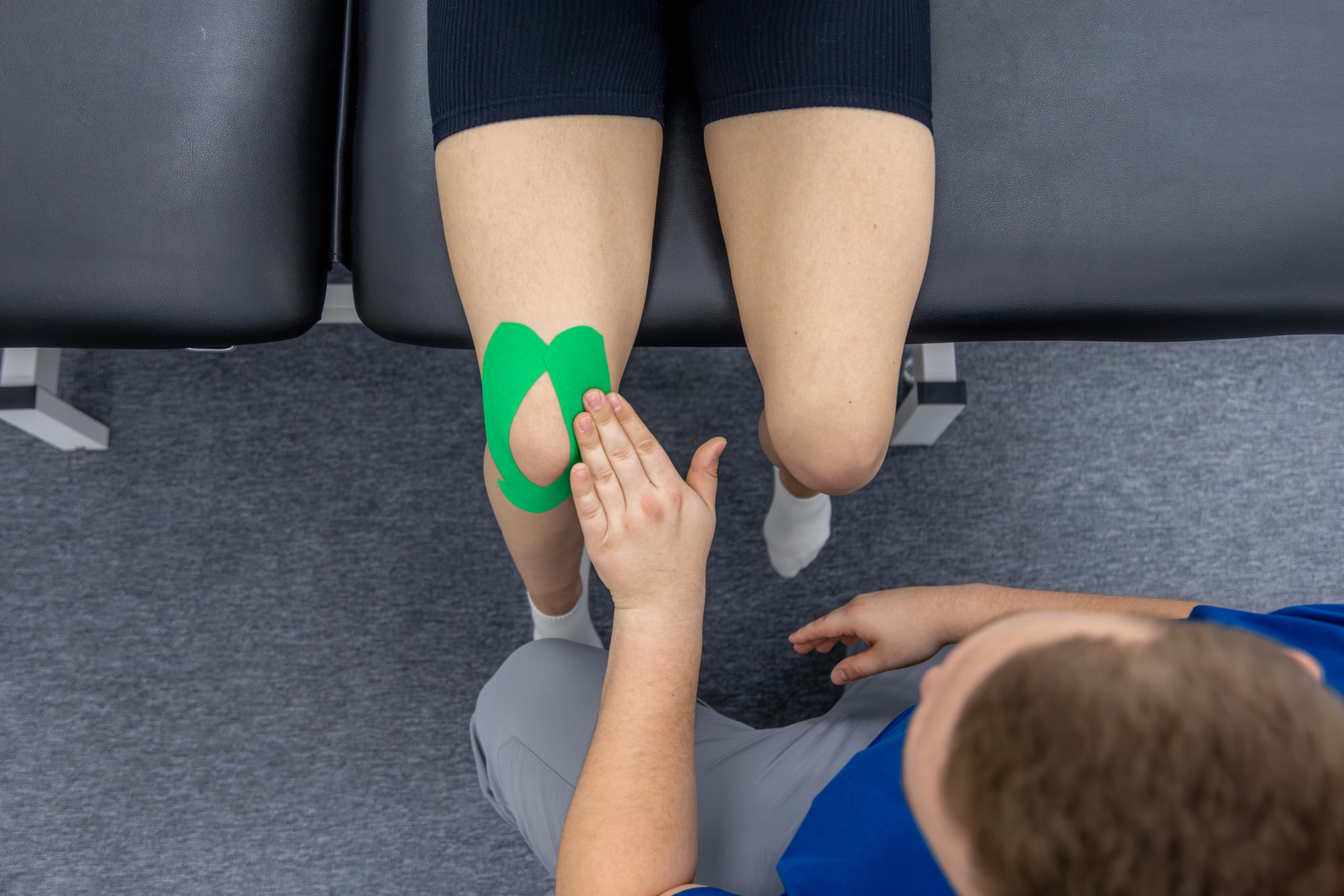
A thorough physiotherapy assessment helps identify factors that may be contributing to your symptoms.
Your assessment may include:
This information helps guide an individualised management plan based on your presentation and goals.
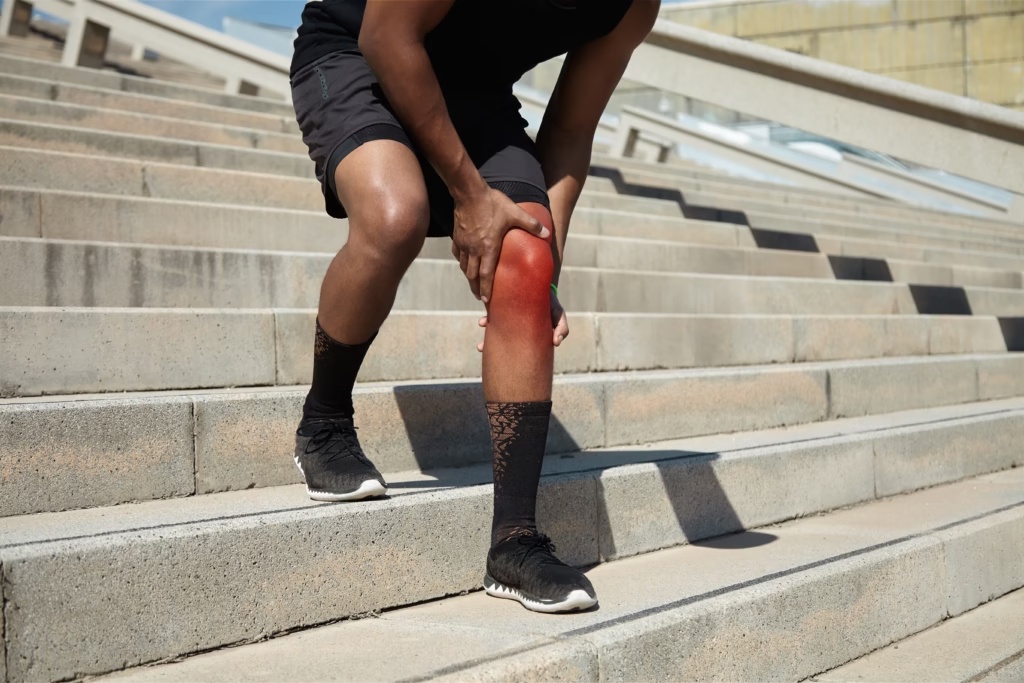
Effective Jumper’s Knee treatment typically focuses on improving tendon capacity while addressing contributing factors that may place excessive stress on the knee.
Your physiotherapy management plan may include:
Targeted strengthening and loading exercises are commonly used to improve tendon function and support recovery.
Temporary adjustments to sporting, recreational, or work-related activities may help manage symptoms while maintaining appropriate levels of activity.
Identifying movement patterns that may increase tendon stress can helpinform rehabilitation strategies.
Improving flexibility and mobility in surrounding muscles and joints may assist with overall movement efficiency.
Understanding your condition can help you make informed decisions regarding activity levels, rehabilitation, and long-term management.
It may be beneficial to seek professional advice if:
Early assessment may assist in identifying contributing factors and guiding appropriate management.
At Move for Life, we take a personalised and evidence-informed approach to musculoskeletal care. Our team works closely with each individual to understand their symptoms, goals, and activity demands before developing a tailored treatment plan.
Whether you’re a recreational runner, competitive athlete, or active individual, our Jumpers Knee treatment services focus on supporting your rehabilitation and working towards a return to the activities that matter to you, where appropriate.
Speak with the team at Move for Life to learn more about your treatment options.
Jumper’s knee is commonly associated with repetitive loading of the patellar tendon through activities such as jumping, running, and rapid changes in direction.
Recovery time varies depending on the severity of symptoms, activity levels, and individual circumstances. A physiotherapist can provide guidance based on your assessment findings.
This depends on your symptoms and activity demands. A physiotherapist can help determine appropriate activity modifications during rehabilitation.
Yes. Jumper’s knee is the commonly used term for patellar tendinopathy.
Most people initially explore conservative management options. Your
healthcare practitioner can advise if further medical assessment is
appropriate.
