In the realm of sports and fitness, injury management is a crucial aspect of maintaining peak performance and ensuring the well-being of athletes and enthusiasts alike. For decades, the RICER (Rest, Ice, Compression, Elevation, and Referral) protocol has been the go-to method for treating acute injuries. However, recent advancements in sports medicine and physiotherapy have shed light on its limitations and paved the way for more effective alternatives.
While the RICER protocol has undoubtedly served as a fundamental guideline in injury management, its efficacy has been increasingly questioned by experts in the field. Here’s why:
(R) Rest Isn’t Always the Best: The “Rest” component of RICER can often be taken a little too literal and may lead to prolonged immobilization of the injured area, which can impede the healing process and exacerbate the effects of inflammation in the body. Contrary to popular belief, complete rest may not be necessary or even beneficial for certain injuries. Instead, controlled movement and targeted exercises can promote circulation, tissue repair, and mobility, facilitating faster recovery.
(I) Ice May Delay Healing: Although ice application or cold therapy has been widely advocated for reducing inflammation and numbing pain, recent studies suggest that it may actually delay the healing process by constricting blood vessels and slowing down metabolic activity in the affected area. A study published in the Journal of Athletic Training by Costello et al. (2019) found that icing may hinder the body’s natural inflammatory response, which is essential for tissue repair, and could potentially delay recovery. Moreover, excessive icing can cause tissue damage and impair the body’s ability to heal properly.
(C) Compression and (E) elevation: As with many of these modalities, studies exist to support and refute use of compression. The quality of these studies can vary, however Miller et all (2019) discusses the benefits of compression garments in reducing oedema and swelling in various clinical settings, including postoperative care, venous insufficiency, and lymphedema management. Compression therapy is shown to enhance venous return, reduce fluid accumulation, and improve tissue healing, making it a valuable modality for managing swelling and promoting recovery even in the everyday soft tissue injury.
(R) Referral: The “Referral” aspect of RICER emphasizes the importance of seeking professional medical advice for severe injuries. What is important to remember in the interim is some of the basic self care management options may assist with reducing downtime and pain management.
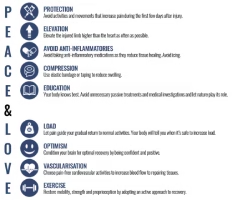
The Peace and Love Protocol
PEACE
LOVE