Dry needling services may be considered as part of a physiotherapy treatment plan for individuals experiencing muscle tightness, movement restrictions, or musculoskeletal discomfort. Dry needling involves the use of fine, sterile needles inserted into specific muscles or soft tissues with the aim of addressing muscle tension and supporting physical rehabilitation.
At Move for Life, dry needling in Melbourne is provided following a thorough clinical assessment to determine whether the technique is suitable for your individual circumstances. Treatment recommendations are based on your symptoms, medical history, movement patterns, and overall treatment goals. Dry needling may be used alongside other physiotherapy approaches as part of a broader management plan.
Dry needling is a technique used by trained healthcare professionals to target muscles and soft tissues that may be associated with pain, stiffness, or reduced movement. Unlike injections, dry needling does not involve the introduction of medication into the body.
The treatment focuses on specific areas identified during assessment and may be incorporated into a physiotherapy program where clinically appropriate. Dry needling is commonly used alongside exercise therapy, manual therapy, movement retraining, and education to support rehabilitation goals.
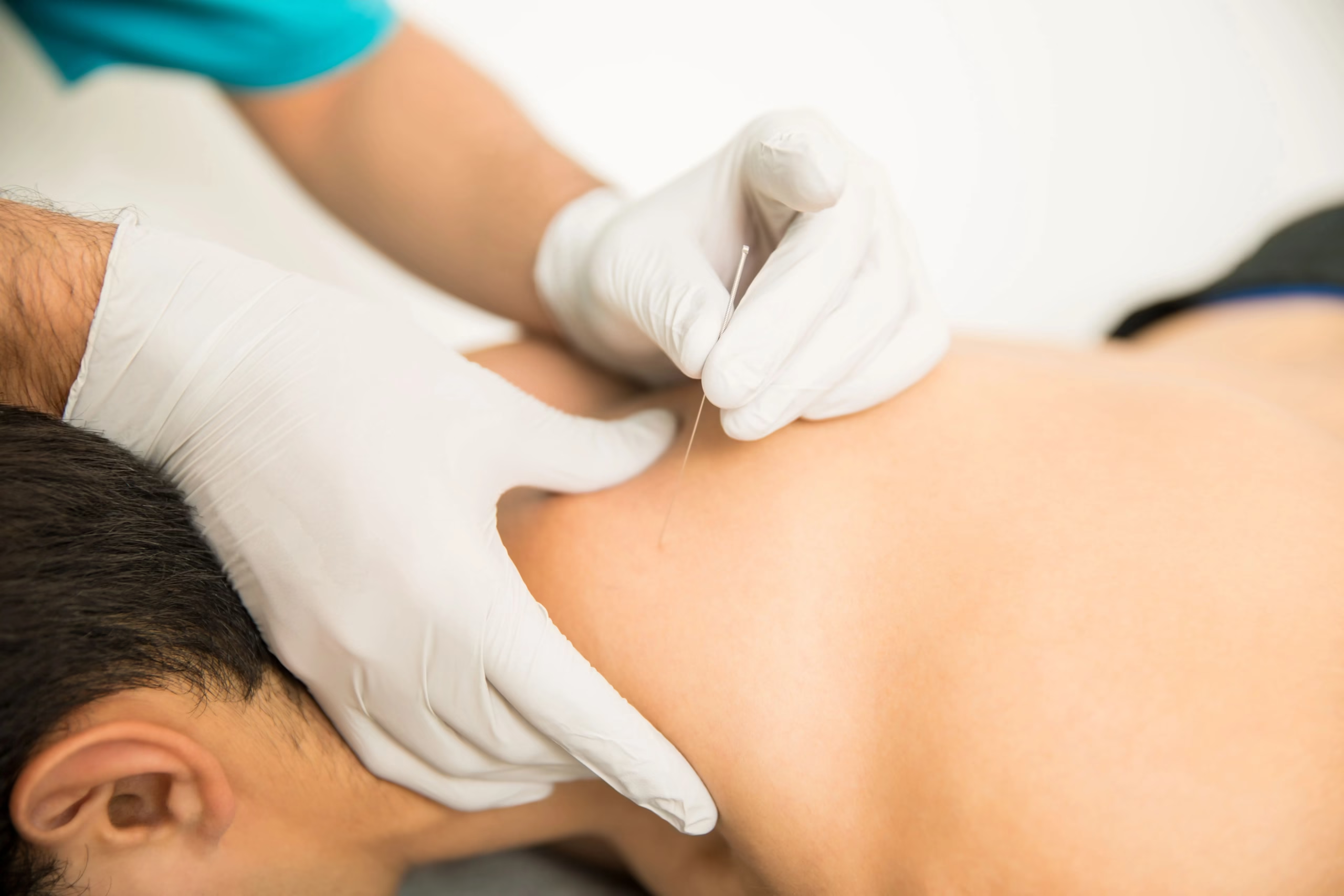
Dry needling may be considered for a range of musculoskeletal conditions where muscle tension or movement restrictions are present. Examples may include:
Suitability for treatment varies between individuals and should be determined through assessment by a qualified physiotherapist.
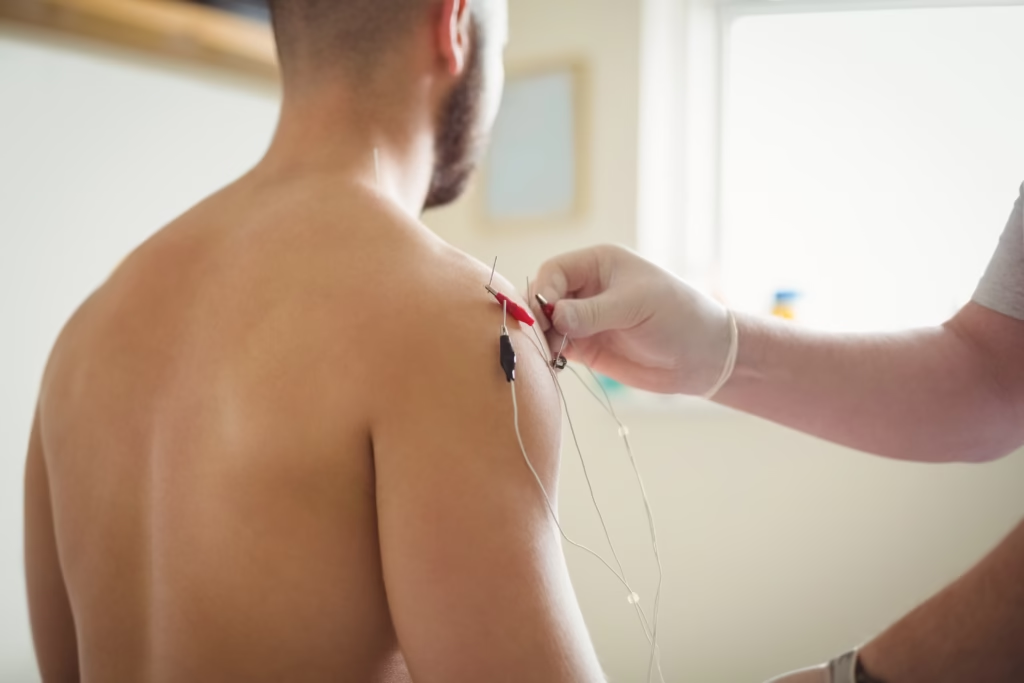
At Move for Life, dry needling forms part of an evidence-informed physiotherapy approach. We focus on understanding the factors contributing to your symptoms before recommending any treatment.
Move for Life provides patient-centred physiotherapy services tailored to individual needs. Every treatment recommendation begins with a detailed assessment to determine the most appropriate management approach for your circumstances.
Where appropriate, dry needling may be incorporated into a personalised management plan that also includes exercise prescription, manual therapy, education, and rehabilitation strategies. Our goal is to provide patients with clear information about their treatment options so they can make informed decisions regarding their care.
If you would like more information about dry needling services in Melbourne, contact Move for Life to arrange an assessment. Our team can discuss your concerns, assess your condition, and explain available treatment options based on your individual needs.
No. While both techniques use fine needles, dry needling and acupuncture are based on different clinical principles and treatment approaches.
Experiences vary between individuals. Some people report minimal discomfort, while others may notice temporary sensations during treatment.
The number of sessions varies depending on the condition being treated, individual response, and overall treatment plan.
Yes. Dry needling is commonly incorporated into broader physiotherapy treatment programs alongside exercise and manual therapy.
Not always. Suitability is determined following a clinical assessment and consideration of your medical history and treatment needs.
A physiotherapist can assess your condition and discuss whether dry needling may be appropriate as part of your treatment plan.
