Hand and wrist discomfort can affect many everyday activities, from typing and driving to lifting objects and sleeping comfortably. Carpal tunnel syndrome is one condition that may contribute to ongoing wrist and hand symptoms, particularly when the median nerve becomes compressed within the wrist. At Move for Life, physiotherapy assessment and rehabilitation support are provided for individuals experiencing wrist pain, hand discomfort, reduced grip strength, or nerve-related symptoms.
Carpal Tunnel Syndrome treatment in Melbourne may include movement assessment, rehabilitation exercises, and supportive management strategies based on the patient’s symptoms and lifestyle needs.
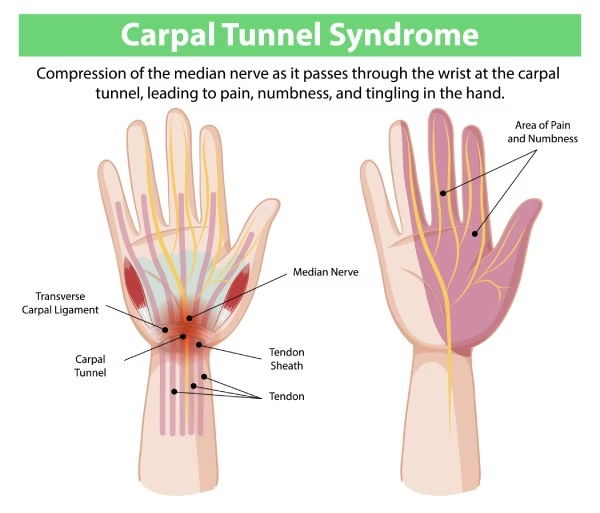
Carpal tunnel syndrome occurs when the median nerve, which travels through a narrow passage in the wrist called the carpal tunnel, becomes irritated or compressed. This may contribute to symptoms affecting the hand, fingers, and wrist.
Symptoms can vary between individuals and may include:
Because several conditions may contribute to similar symptoms, clinical assessment is important before treatment recommendations are made.

Wrist pain can occur for many reasons, including repetitive strain, tendon irritation, nerve compression, workplace demands, sports activities, or joint-related conditions.
Wrist pain treatment generally begins with a detailed assessment to better understand contributing factors affecting movement, function, and discomfort. Physiotherapists assess:
This assessment helps guide an individualised rehabilitation plan based on the patient’s symptoms and physical function.
Physiotherapy management for carpal tunnel syndrome focuses on supporting wrist function, reducing aggravating factors, and improving movement patterns where clinically appropriate. Treatment recommendations vary depending on symptom severity, duration, and contributing factors.
Management approaches may include:
Rehabilitation strategies may be used to support daily function and symptom management while monitoring changes over time.
An initial physiotherapy appointment generally involves discussing your symptoms, medical history, activity levels, and functional concerns. The physiotherapist may assess wrist movement, hand strength, nerve sensitivity, posture, and movement patterns contributing to discomfort.
Depending on your condition, treatment recommendations may focus on improving wrist mobility, supporting hand function, and identifying aggravating activities. Rehabilitation programs are adjusted over time based on symptom progression and functional response.
Ongoing numbness, weakness, or persistent discomfort may require additional medical assessment where clinically appropriate.
Patients commonly seek wrist pain treatment when symptoms begin affecting work, exercise, sleep, or routine activities. Early assessment may help identify contributing factors and guide appropriate rehabilitation support before symptoms become more limiting.
Management plans are tailored to the individual’s presentation, activity demands, movement goals, and symptom behaviour, with rehabilitation recommendations adjusted according to functional needs and symptom response.
Physiotherapy assessment and rehabilitation may assist individuals experiencing wrist pain, hand discomfort, and nerve-related symptoms associated with carpal tunnel syndrome. Our physiotherapists work with patients to develop personalised management plans based on clinical findings, functional limitations, and lifestyle needs.
If you are experiencing ongoing hand numbness, wrist discomfort, or symptoms affecting daily activities, you can arrange an appointment to discuss suitable Carpal Tunnel Syndrome treatment in Melbourne with our physiotherapy team.

Common symptoms may include hand numbness, tingling, wrist discomfort, weakness, or symptoms that worsen during repetitive activities or at night.
Physiotherapy may support wrist pain management through assessment, rehabilitation exercises, movement guidance, and activity modification strategies where clinically appropriate.
No. Wrist pain can have multiple causes, including tendon irritation, joint conditions, repetitive strain, or previous injury. Assessment helps identify contributing factors.
Persistent pain, numbness, weakness, or symptoms affecting daily function should be assessed by a qualified healthcare professional.
The physiotherapist may assess wrist movement, strength, nerve-related symptoms, posture, and functional activities before discussing management recommendations.
